
The Many Health Benefits of Volunteerism
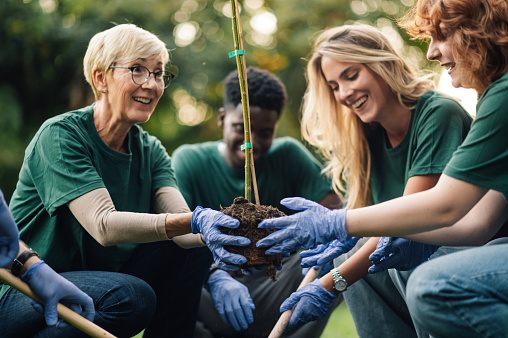
As an older adult, volunteering can be especially rewarding for both your health and your sense of purpose. Staying active through volunteer work—whether helping at a local library, tutoring students, or assisting at a food pantry—keeps your body moving, supports cardiovascular health, and helps maintain strength and flexibility. Even light physical activity incorporated into volunteer tasks can improve mobility and reduce the risk of falls.
Volunteering also provides valuable mental stimulation. Learning new skills, organizing events, or problem-solving in service projects engages the brain, helping to maintain cognitive function and sharpen memory. Regular involvement can also reduce feelings of depression or anxiety by providing a sense of accomplishment and reinforcing that your experience and contributions are meaningful.
The social and emotional benefits are profound for older adults. Volunteering fosters connections with others, combats loneliness, and strengthens your support network. Acts of service release endorphins, boosting mood and creating a lasting sense of fulfillment. Feeling valued and purposeful can enhance self-esteem and overall life satisfaction.
For older adults, volunteering is more than giving back—it’s a way to stay physically active, mentally sharp, and emotionally resilient. It can help you feel connected, energized, and engaged, proving that your experience and wisdom continue to make a difference in the world.
To read about more health benefits of volunteerism, from the Stanford Center on Longevity, CLICK HERE.