
Health & Wellness
Best Fruit Choices for Those with Diabetes

Loving fruit as a senior while managing diabetes is completely possible—you just need to be a bit selective and mindful of portions. Fruit contains natural sugars, but it also provides fiber, vitamins, and antioxidants that support overall health. The key is choosing fruits that have a lower impact on blood sugar and pairing them with…
Read MoreNext Steps After an Alzheimer’s Diagnosis

Receiving a diagnosis of Alzheimer’s disease can feel overwhelming, but having a clear plan can help bring a sense of direction and control. One of the first steps is to take time to process the diagnosis and have open, honest conversations with family members or trusted loved ones. Building a support system early ensures that both the…
Read MoreDiet Tips for Cancer Prevention

As an older adult, following a cancer-prevention diet involves not just what you eat, but also how you eat to support overall health, digestion, and nutrient absorption. Emphasizing plant-based foods—like vegetables, fruits, legumes, and whole grains—provides antioxidants, fiber, and vitamins that help protect cells from damage. Older adults should focus on variety and color in…
Read MoreThe Many Health Benefits of Volunteerism

As an older adult, volunteering can be especially rewarding for both your health and your sense of purpose. Staying active through volunteer work—whether helping at a local library, tutoring students, or assisting at a food pantry—keeps your body moving, supports cardiovascular health, and helps maintain strength and flexibility. Even light physical activity incorporated into volunteer…
Read MoreThe Many Benefits of Social Relationships for Seniors

Social relationships play a vital role in supporting the overall health and well-being of older adults. As people age, life transitions such as retirement, relocation, or the loss of loved ones can lead to increased isolation. Maintaining meaningful connections with friends, family, and community members helps counteract loneliness and provides a sense of belonging and…
Read MoreCan You Develop Asthma Later in Life?

Asthma can develop later in life, a condition often referred to as adult-onset asthma, and it is more common in older adults than many people realize. Unlike childhood asthma, which is often linked to allergies, asthma in seniors may be triggered by long-term exposure to irritants such as air pollution, tobacco smoke, chemical fumes, or…
Read MoreSpotting the Warning Signs of Ovarian Cancer

Ovarian cancer is often called a “silent” disease because its early symptoms can be vague, mild, and easy to mistake for everyday digestive or hormonal issues. One of the most common early warning signs is persistent bloating or abdominal swelling. Unlike occasional bloating that comes and goes, ovarian cancer–related bloating tends to be ongoing and may…
Read MoreShould You Consider Cataract Surgery?
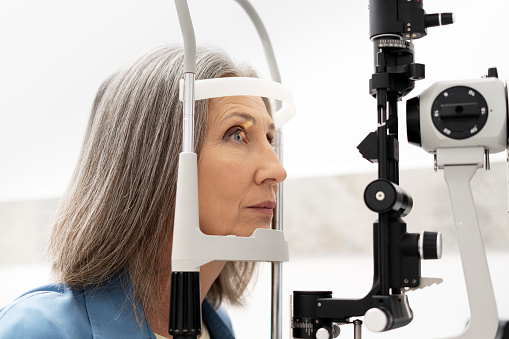
Cataract surgery is one of the most common and successful procedures performed in older adults, and for many people it can significantly improve vision and quality of life. Cataracts cause the eye’s natural lens to become cloudy, leading to blurred vision, glare, difficulty reading, and trouble seeing at night. When these changes begin to interfere…
Read MoreHow to Manage Stress as an Older Adult

Everyone experiences stress from time to time, and that doesn’t stop as we get older. The key is finding healthy ways to manage it so it doesn’t take a toll on your mind or body. Simple daily habits—like taking slow, deep breaths, enjoying a cup of tea, or spending time in nature—can help calm the…
Read MoreThe Benefits of Physical Therapy

Physical therapy isn’t just for recovery after surgery or injury—it’s also one of the best ways for older adults to stay active, mobile, and independent. A physical therapist can design safe, personalized exercises that help improve strength, flexibility, and balance, making everyday activities like walking, dressing, or climbing stairs easier and safer. Preventing Falls and…
Read More