
How to Manage Stress as an Older Adult
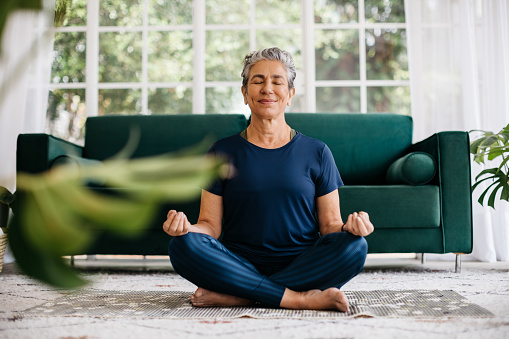
Everyone experiences stress from time to time, and that doesn’t stop as we get older. The key is finding healthy ways to manage it so it doesn’t take a toll on your mind or body. Simple daily habits—like taking slow, deep breaths, enjoying a cup of tea, or spending time in nature—can help calm the nervous system and bring a sense of peace back to your day.
Stay Active and Engaged
Physical activity is one of the most effective ways to manage stress. Gentle exercise like walking, stretching, or chair yoga helps release tension and boosts mood-boosting hormones. Staying socially active is just as important—chatting with friends, joining a club, or volunteering keeps the mind engaged and reduces feelings of isolation, which can increase stress.
Practice Mindfulness and Relaxation
Mindfulness simply means being present—focusing on what’s happening right now instead of worrying about the past or future. Activities such as meditation, journaling, or listening to calming music can help quiet the mind. Even a few minutes of mindful breathing each day can help lower blood pressure and ease anxious thoughts.
Take Care of Your Emotional Health
Sharing your feelings is one of the healthiest things you can do. Whether it’s talking with a friend, family member, or counselor, expressing emotions helps lighten the load. Staying connected with faith communities, support groups, or enjoyable hobbies can also provide comfort and a sense of purpose. Remember—stress is a part of life, but it doesn’t have to define your days. With a little care and balance, you can create more moments of calm and joy.
For more tips on how to manage stress as you age, from the National Council on Aging, CLICK HERE.