
Lifestyle
How Retirement Communities Support Active and Independent Living – Artisan at Hudson

Choosing the right place to enjoy your retirement years is about more than comfort, it’s about maintaining independence, staying socially connected, and living with purpose. A well-planned retirement community that Hudson, MA, residents trust is thoughtfully designed to support active lifestyles while offering the convenience and peace of mind that comes with community living. In…
Read MoreThe Benefits of Luxury Assisted Living for Seniors and Their Families

Aging should be a time of comfort, dignity, and enjoyment. Today’s senior communities go beyond traditional care by offering an elevated lifestyle that prioritizes wellness, independence, and personalized support. Choosing luxury assisted living in Hudson, MA, means gaining access to beautifully designed residences, upscale amenities, and thoughtfully curated services that enhance everyday living. Residents enjoy…
Read MoreShould You Consider Cataract Surgery?
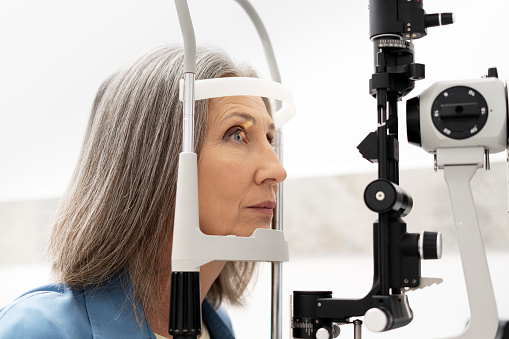
Cataract surgery is one of the most common and successful procedures performed in older adults, and for many people it can significantly improve vision and quality of life. Cataracts cause the eye’s natural lens to become cloudy, leading to blurred vision, glare, difficulty reading, and trouble seeing at night. When these changes begin to interfere…
Read MoreHow Assisted Senior Living Communities Create a Comfortable, Home-Like Environment – Artisan at Hudson

Growing older should never mean giving up comfort, familiarity, or a sense of belonging. For many families in Hudson, MA, finding the right community is about more than care, it’s about creating a warm, inviting place that truly feels like home. That’s exactly what thoughtfully designed assisted senior living communities in Hudson, MA, strive to…
Read MoreHow to Manage Stress as an Older Adult

Everyone experiences stress from time to time, and that doesn’t stop as we get older. The key is finding healthy ways to manage it so it doesn’t take a toll on your mind or body. Simple daily habits—like taking slow, deep breaths, enjoying a cup of tea, or spending time in nature—can help calm the…
Read MoreThe Benefits of Physical Therapy

Physical therapy isn’t just for recovery after surgery or injury—it’s also one of the best ways for older adults to stay active, mobile, and independent. A physical therapist can design safe, personalized exercises that help improve strength, flexibility, and balance, making everyday activities like walking, dressing, or climbing stairs easier and safer. Preventing Falls and…
Read MoreFall Prevention Tips for Seniors
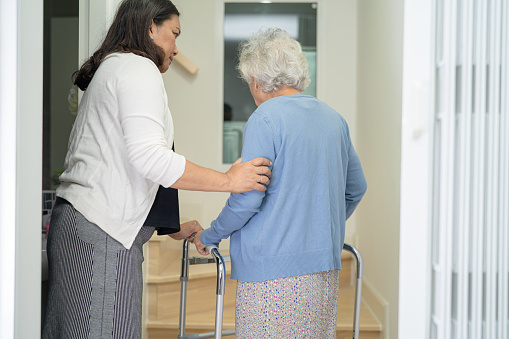
Falls are one of the most serious risks facing older adults, often leading to injuries that can significantly impact their independence and quality of life. Even a minor fall can result in fractures, head injuries, or bruises that may require hospitalization and long recovery times. Beyond physical harm, falls can also cause fear and anxiety,…
Read MoreCutting Down on Trips to the Bathroom

Frequent urination is a common concern among older adults and can significantly affect quality of life, especially when it interrupts sleep or limits daily activities. As people age, the bladder and urinary tract naturally undergo changes that can lead to increased trips to the bathroom. The bladder muscle may become less elastic and hold less…
Read MoreThe Challenges of Eating Healthy and Aging

It can be tough to eat healthy as we age because factors like changing taste buds, slower metabolism, medical conditions, and limited mobility can make meal planning, cooking, and even appetite management more challenging. One of the biggest challenges in eating healthy is convenience. Busy schedules often mean relying on quick meals or takeout, which…
Read MoreBenefits of Reading for Seniors

Reading provides powerful health benefits for seniors, helping to keep both the mind and body engaged in meaningful ways. One of the greatest advantages is cognitive stimulation. Just as physical exercise strengthens the body, reading strengthens the brain. It challenges memory, concentration, and problem-solving skills, which can help slow age-related cognitive decline and may even…
Read More