
Posts by artisanhudson
The Many Benefits of Social Relationships for Seniors
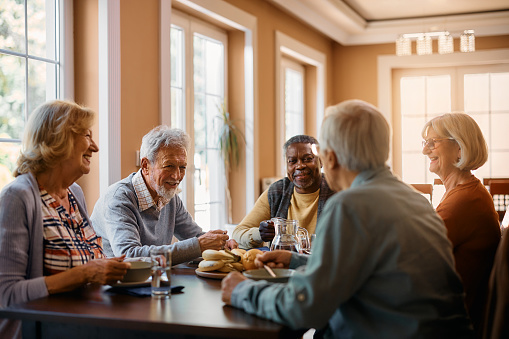
Social relationships play a vital role in supporting the overall health and well-being of older adults. As people age, life transitions such as retirement, relocation, or the loss of loved ones can lead to increased isolation. Maintaining meaningful connections with friends, family, and community members helps counteract loneliness and provides a sense of belonging and…
Read MoreNo Time to Visit the Gym? Try These at Home Options Instead
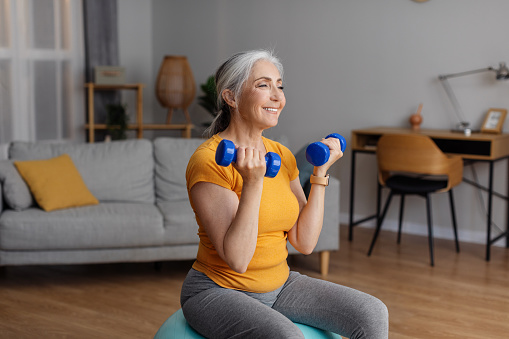
For older adults who can’t make a trip to the gym or who prefer to exercise at home, there are many effective workouts that are safe, convenient, and require little to no equipment. Low-impact cardio can be done in small spaces and helps improve heart health without stressing the joints. Marching in place, gentle step-ups…
Read MoreCould a Nasal Swab Someday Help Detect Alzheimer’s?
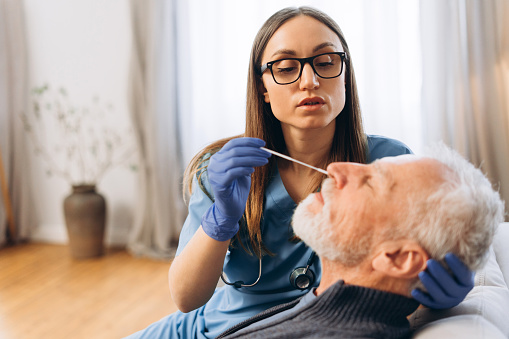
A new study published in Nature Communications suggests that a simple nasal swab could one day become a powerful tool for detecting Alzheimer’s disease in its earliest stages—potentially years before memory loss or cognitive symptoms begin. Researchers found that cells collected from deep inside the nasal cavity, where smell-related nerve cells reside, may carry early biological signals of the…
Read MoreIs it Time to Consider an eReader?

For many older adults who have enjoyed printed books for decades, transitioning to an eReader can feel like a big change. The key to a smooth adjustment is recognizing that eReaders are designed to make reading easier and more comfortable. Many devices allow readers to enlarge text, adjust brightness, and change font styles, making words…
Read MoreMedical Conditions that can Mimic Dementia
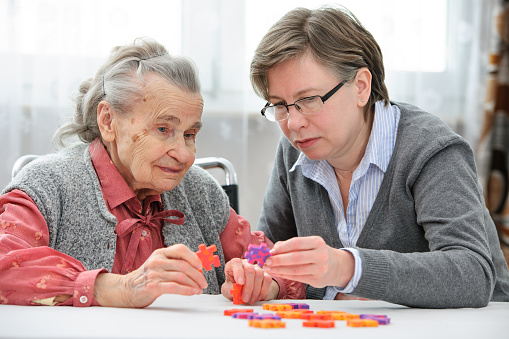
Several medical conditions can cause symptoms that resemble dementia but are not caused by progressive neurodegenerative disease. These conditions are often referred to as reversible or potentially treatable causes of cognitive impairment. Identifying them is critical, as proper treatment can significantly improve memory, thinking, and daily functioning. Depression is one of the most common conditions that can mimic…
Read MoreBest Supplements for Older Adults

As we age, our bodies absorb and use nutrients less efficiently, making certain supplements helpful for supporting overall health. One of the most important is vitamin D, which plays a key role in bone strength, muscle function, and immune health. Many older adults don’t get enough vitamin D from sunlight or diet alone, increasing the risk…
Read MoreThe Importance of Keeping Your Joints Lubricated for Mobility
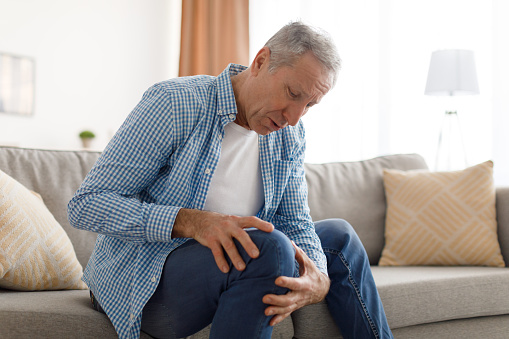
Keeping joints well lubricated is essential for seniors because it helps maintain smooth, pain-free movement and supports overall mobility. Healthy joints are cushioned by synovial fluid, which acts as a natural lubricant to reduce friction between bones during movement. As we age, the body may produce less of this fluid, and cartilage can gradually wear…
Read MoreCan You Develop Asthma Later in Life?
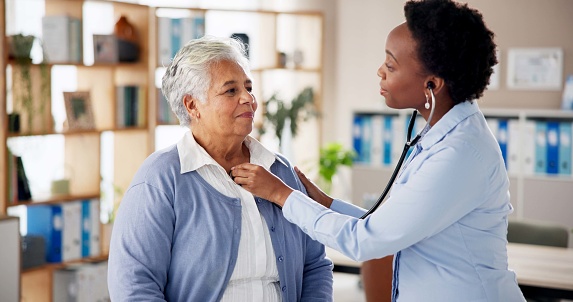
Asthma can develop later in life, a condition often referred to as adult-onset asthma, and it is more common in older adults than many people realize. Unlike childhood asthma, which is often linked to allergies, asthma in seniors may be triggered by long-term exposure to irritants such as air pollution, tobacco smoke, chemical fumes, or…
Read MoreSpotting the Warning Signs of Ovarian Cancer

Ovarian cancer is often called a “silent” disease because its early symptoms can be vague, mild, and easy to mistake for everyday digestive or hormonal issues. One of the most common early warning signs is persistent bloating or abdominal swelling. Unlike occasional bloating that comes and goes, ovarian cancer–related bloating tends to be ongoing and may…
Read MoreBehavioral Changes and Dementia
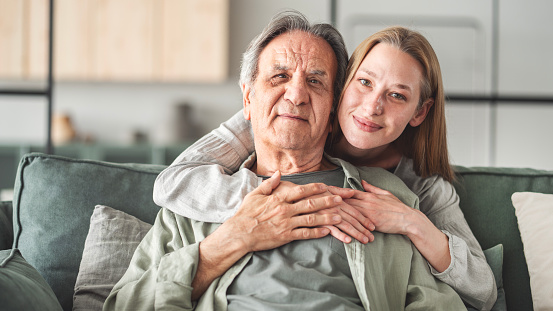
Dementia doesn’t only affect memory—it often brings noticeable changes in behavior and personality that can be confusing and emotionally challenging for both the person living with the condition and those who care about them. These changes happen as the disease affects different areas of the brain responsible for judgment, emotions, and social behavior. One of…
Read More