
Is it Time to Consider an eReader?
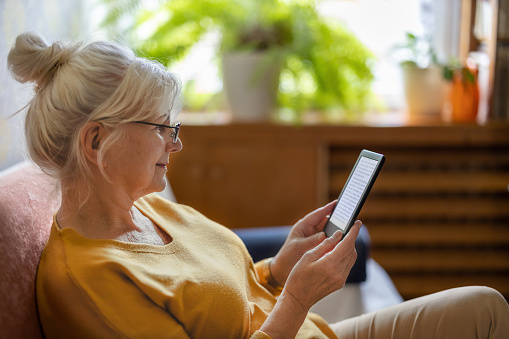
For many older adults who have enjoyed printed books for decades, transitioning to an eReader can feel like a big change. The key to a smooth adjustment is recognizing that eReaders are designed to make reading easier and more comfortable. Many devices allow readers to enlarge text, adjust brightness, and change font styles, making words clearer and reducing eye strain. Features like built-in dictionaries and the ability to carry an entire library in a lightweight device can also add convenience while still preserving the joy of reading.
Starting slowly can help make the transition more comfortable. Seniors might begin by reading short articles or a favorite novel on an eReader while still keeping a printed book nearby. This gradual approach allows readers to become familiar with simple actions such as turning digital pages, bookmarking passages, and adjusting settings. Devices like the Amazon Kindle Paperwhite and Kobo Clara 2E are popular because they offer clear screens, intuitive controls, and lighting designed to mimic the look of paper.
It can also be helpful for seniors to personalize their reading experience. Increasing the font size, adjusting the screen warmth, and exploring accessibility features can make the device feel more natural and comfortable. Many eReaders also allow users to borrow books digitally through libraries using apps like Libby, giving readers access to thousands of titles without leaving home. With a little patience and practice, many seniors discover that eReaders enhance their reading habits while still delivering the relaxing pleasure of getting lost in a good book.
Whether you plan to stick with printed book or are ready to make the move to an eReader, here are some great book picks for spring recommended by AARP! CLICK HERE to view the list.